
My Top 10 Foods to Freeze-Dry (And Why I Always Keep Them on Hand)
In This Article
1. Raw Eggs
2. Milk
3. Ground Turkey
4. Strawberries
5. Apples
6. Bananas
7. Cheese
8. Refried Beans
9. Soups
10. Everyday Vegetables
When most people get their first freeze dryer, the question isn’t really how it works.
The real question is:
“What should I freeze dry first?”
Over time I’ve experimented with all kinds of foods — fruits, full meals, pantry staples, and a few things that didn’t turn out nearly as well as I hoped. But after running many batches through my freeze dryer, there are certain foods I keep coming back to again and again.
These are the foods that are practical, store well, and actually get used in my kitchen.
So in this post, I’m sharing my top 10 foods to freeze dry and why I love having them stocked in my pantry.
Some of them might surprise you.
1. Raw Eggs
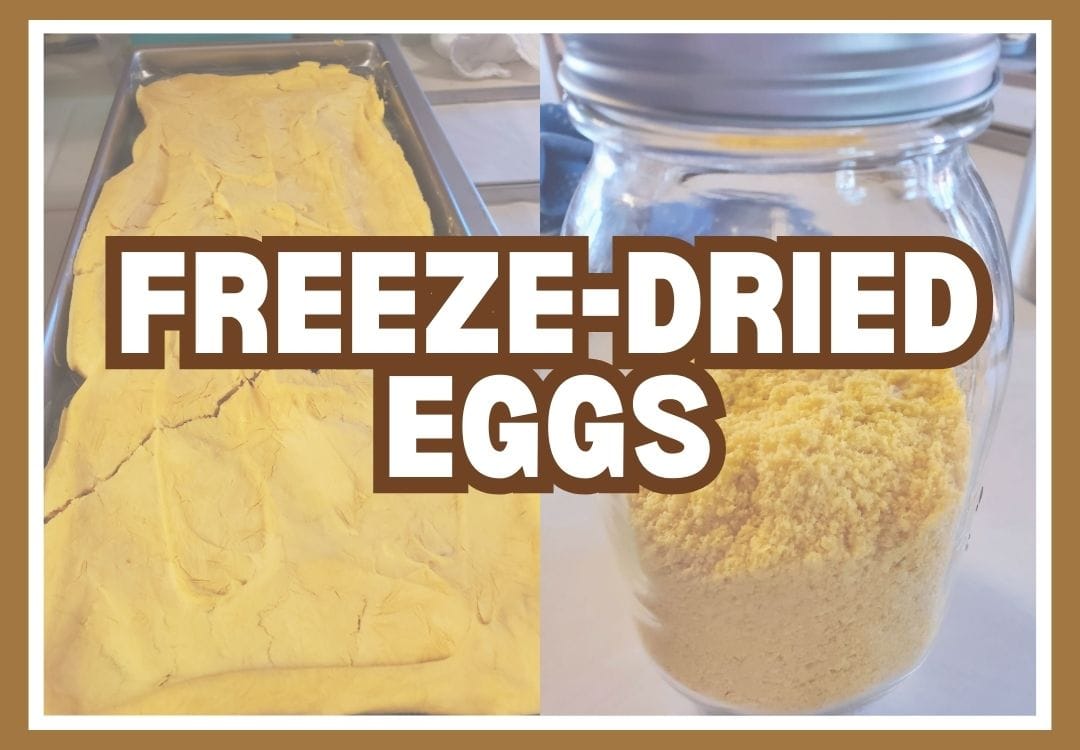
Eggs might be one of the most underrated foods to freeze dry.
I usually scramble them raw first, pour them into trays, and freeze dry them that way. Once dried, they turn into light, airy pieces that store extremely well.
After drying, I like to break the eggs down into a fine powder so they measure easily for cooking and baking.
One tool that makes this much easier is an immersion blender. I’ll often run the dried egg pieces through a quick blend to create a smoother powder that stores better and mixes more evenly later.
👉 I use a simple 5-in-1 Immersion Hand Blender that works great for this step.
Why I love freeze-drying eggs:
• Great for long-term storage
• Rehydrate easily for cooking or baking
• Perfect backup when egg prices spike or stores run out
💡 Freeze-Dry Tip
To rehydrate freeze-dried eggs, mix:
2 tablespoons egg powder + 2 tablespoons water
Whip well until smooth, then cook just like fresh scrambled eggs or use in baking.
2. Milk
Milk is another pantry staple that freeze-dries beautifully.
Once dried, it turns into a powder that stores extremely well when sealed properly. This can be incredibly useful for baking, cooking, or emergencies.
Why I like freeze-drying milk:
• long shelf life
• great for baking and cooking
• convenient pantry backup
💡 Freeze-Dry Tip
When pouring milk into freeze dryer trays, try to start with an even number of quarts.
For example:
1 gallon of milk = 4 quarts
After the milk is freeze-dried, divide the dried milk into four equal portions and store each portion in a 1-quart jar. This leaves enough room in the jar to add water later.
To rehydrate:
• Pour 1 quart of water into the jar
• Mix very well
• Refrigerate overnight to fully rehydrate
• Shake or stir again before using
This method makes it very easy to measure and reconstitute milk whenever you need it.
3. Ground Turkey
Protein is one of the most valuable foods to preserve, and ground turkey works surprisingly well.
I cook it first, drain any excess fat, and spread it across the freeze dryer trays.
Once rehydrated, it can be added directly to:
• tacos
• spaghetti sauce
• soups
• casseroles
It’s like having instant protein ready to go.
4. Strawberries
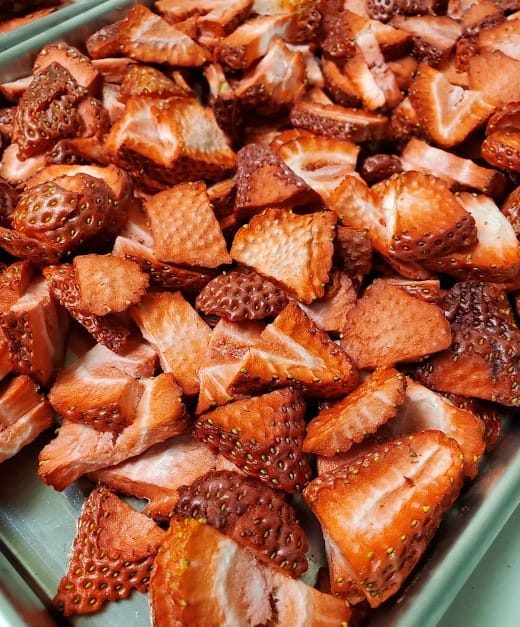
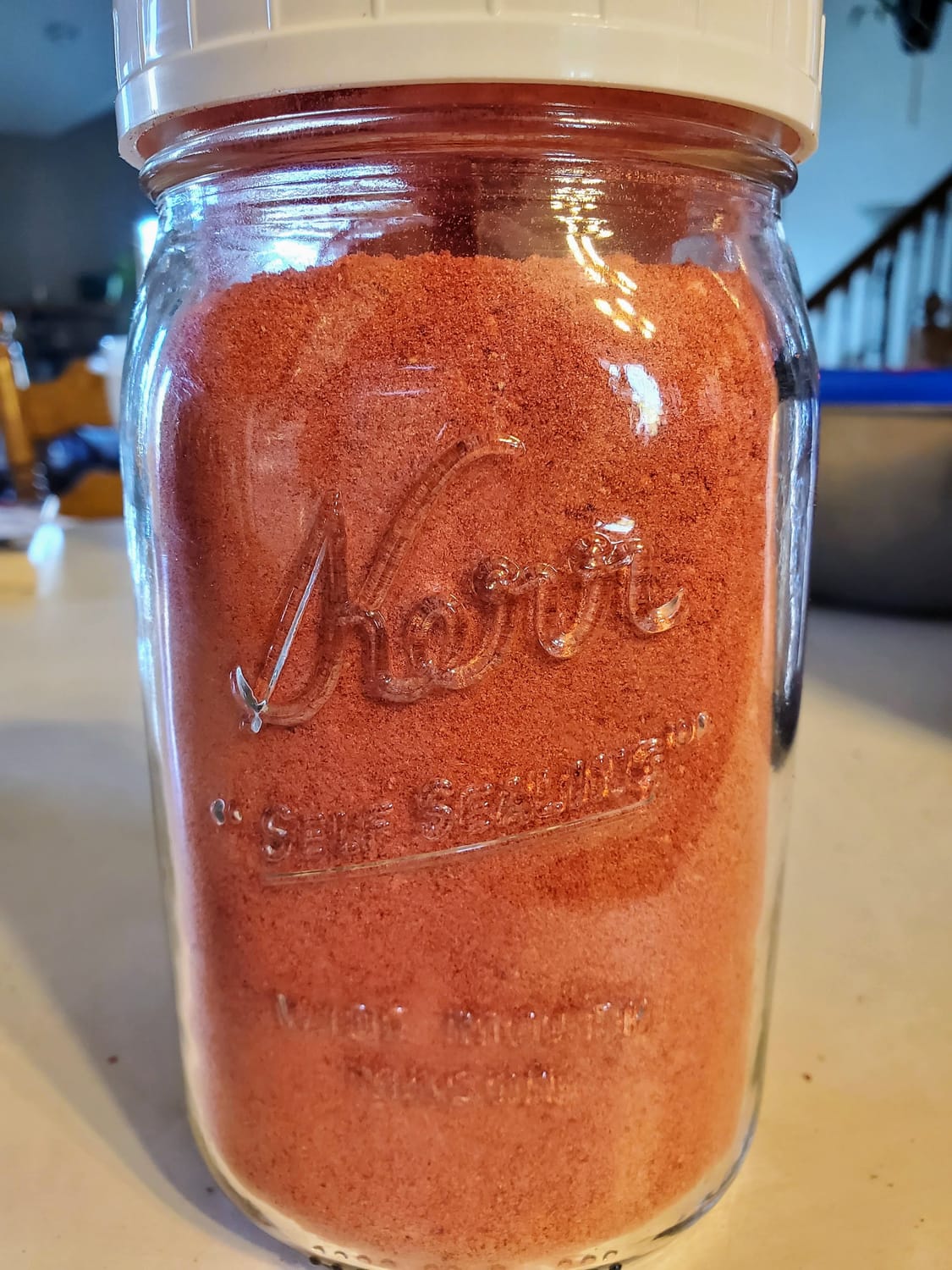
Strawberries are one of the most popular and satisfying fruits to freeze dry.
They hold their color beautifully and become light, crunchy, and naturally sweet.
Why they’re a favorite:
• delicious snack
• great for cereal or yogurt
• perfect for baking
Honestly, they disappear quickly in my house.
💡 Prep Tip
When prepping strawberries for freeze drying, removing the stems quickly saves a lot of time. A simple strawberry huller makes this job much easier when you're working through large batches.
👉 I use a small strawberry huller tool that pops the stem out in seconds.
5. Apples
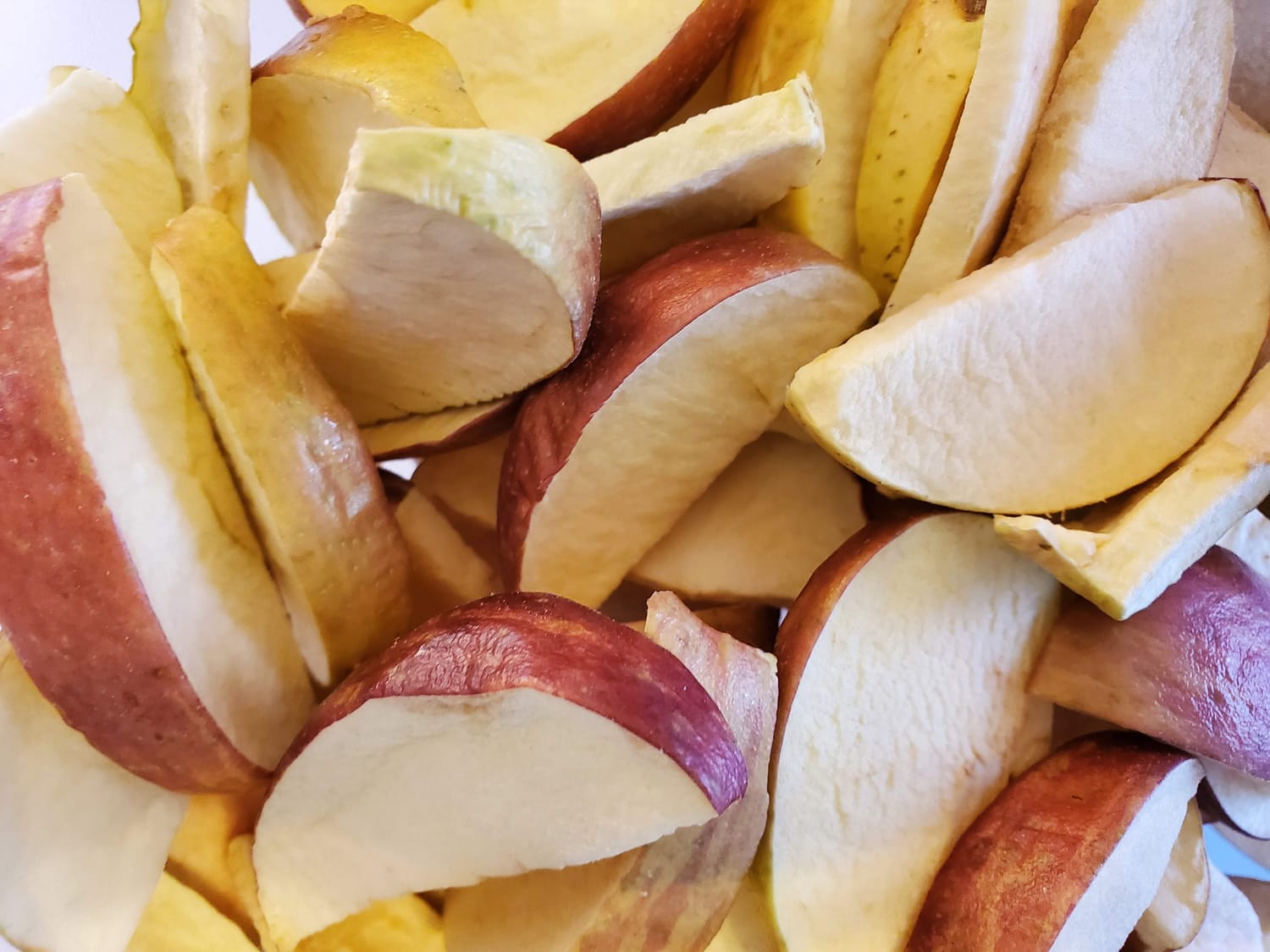
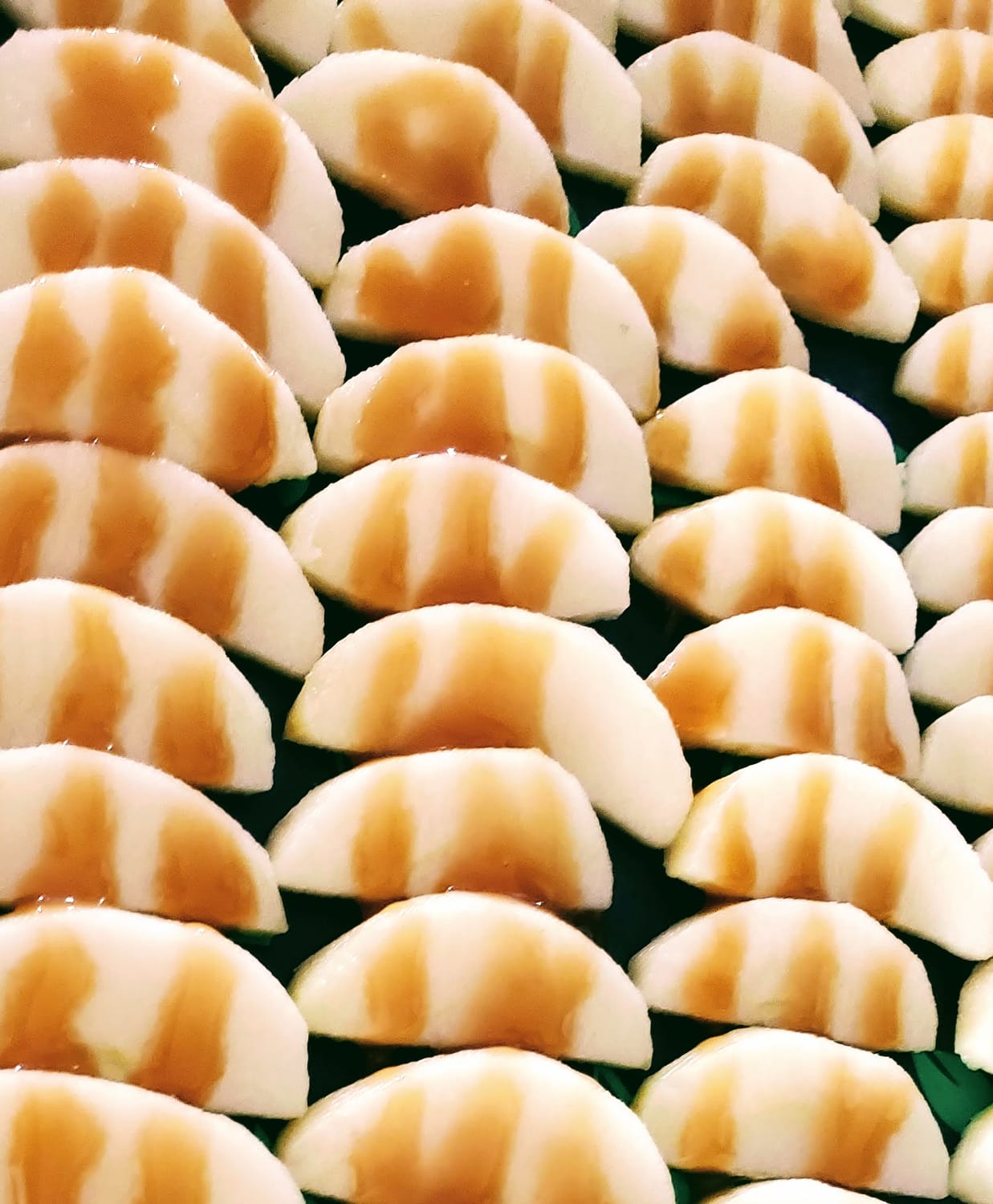
Freeze-dried apples are simple but incredibly useful.
They store well, taste great, and can be used in lots of ways.
Some of my favorite uses:
• oatmeal
• apple crisp
• granola
• lunchbox snacks
They’re also one of the easiest fruits for beginners to start with.
💡 Prep Tip
Uniform slices help apples freeze dry more evenly. Using an apple slicer and corer can speed up prep and create evenly sized pieces in seconds. This one makes them much thinner, speeding up freeze-drying time.
👉 A simple apple slicer/corer makes this step really quick when processing several apples at once.
6. Bananas
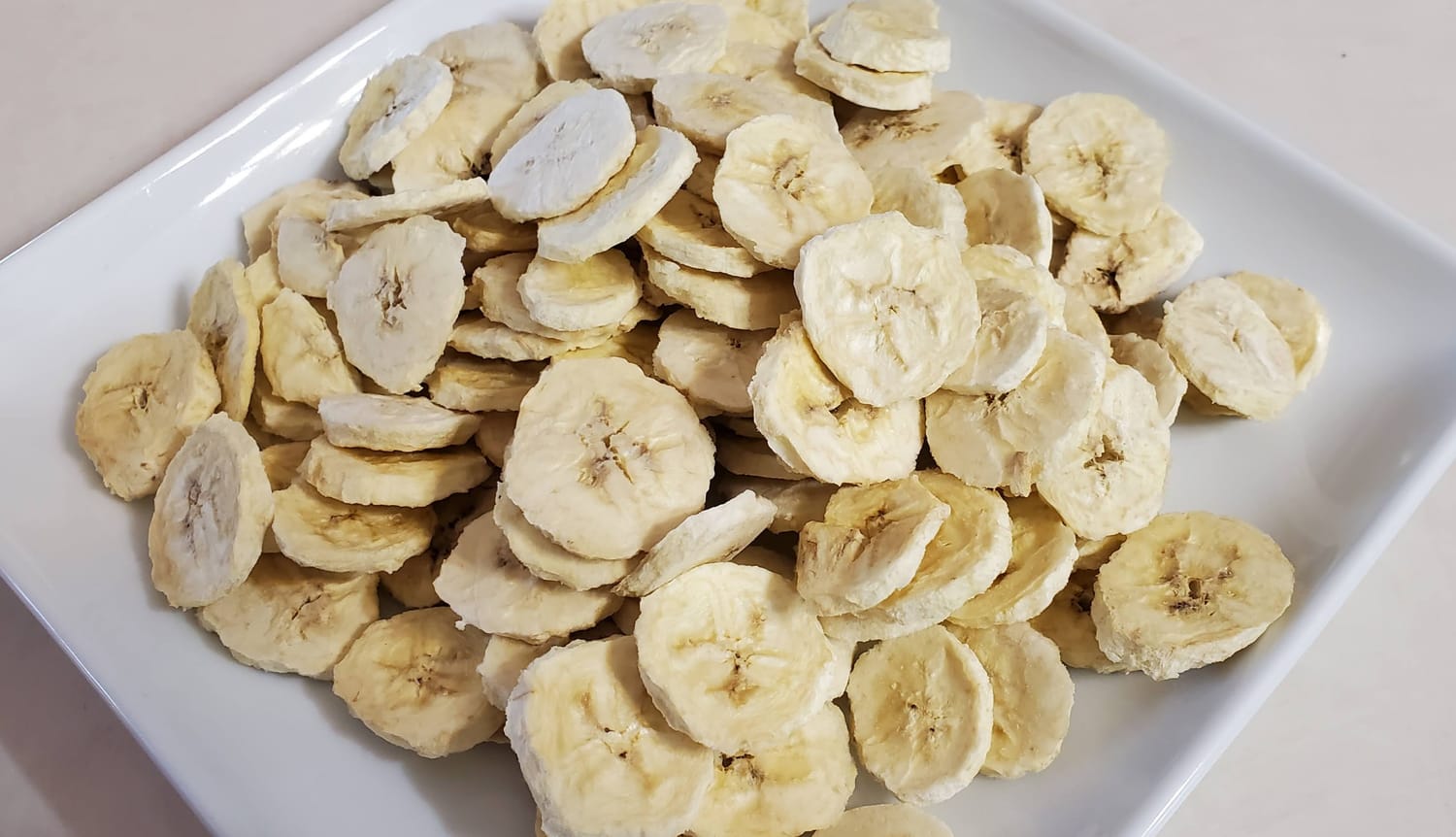
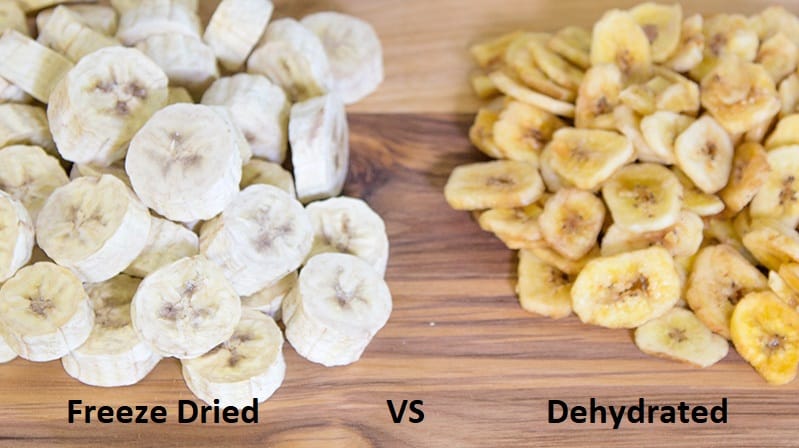
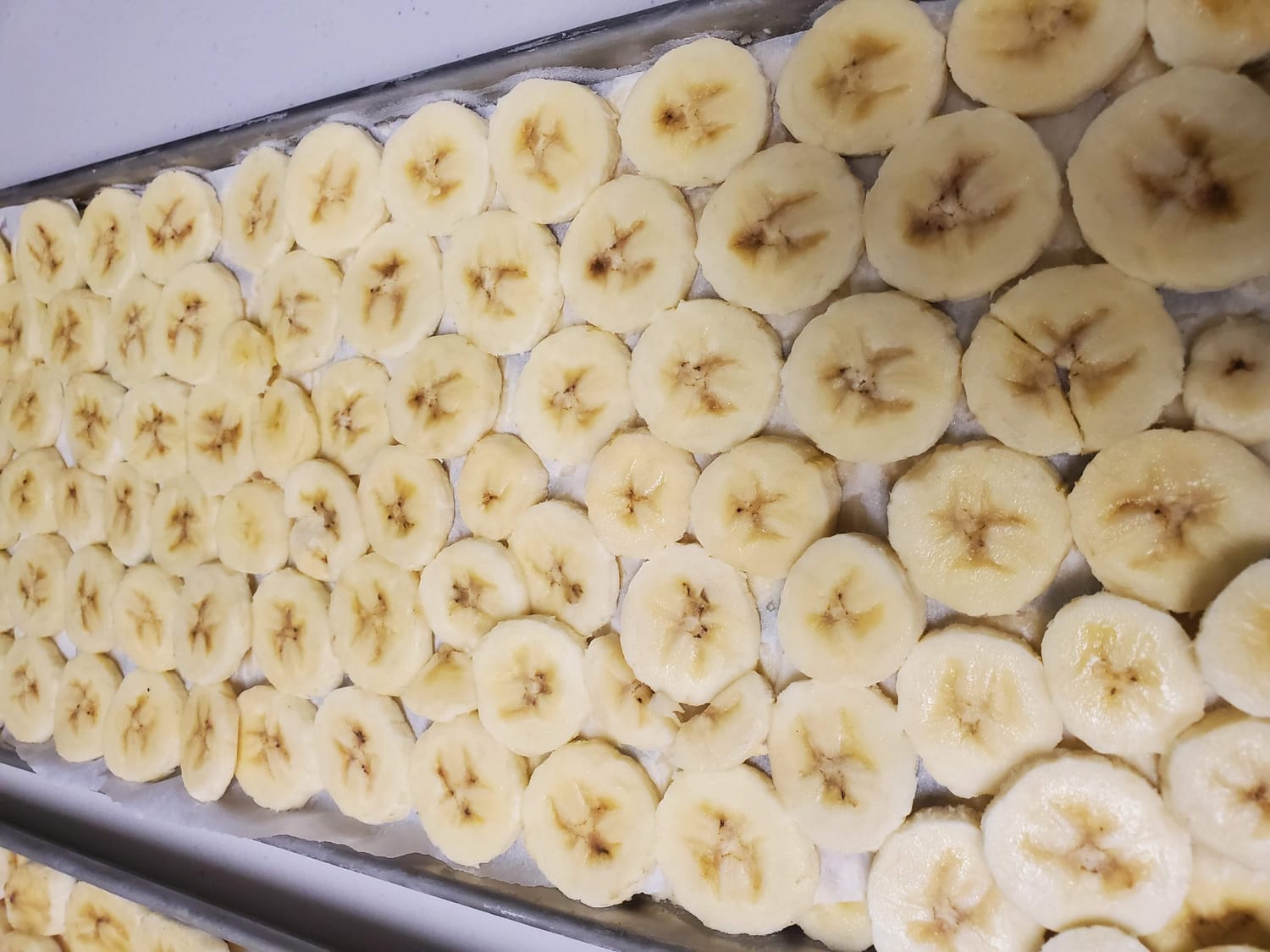
Bananas transform when freeze-dried.
They become light, crispy slices that almost taste like candy.
Kids especially love them.
They’re great for:
• cereal toppings
• smoothies
• trail mix
• quick snacks
7. Cheese (Shredded or Cubed)
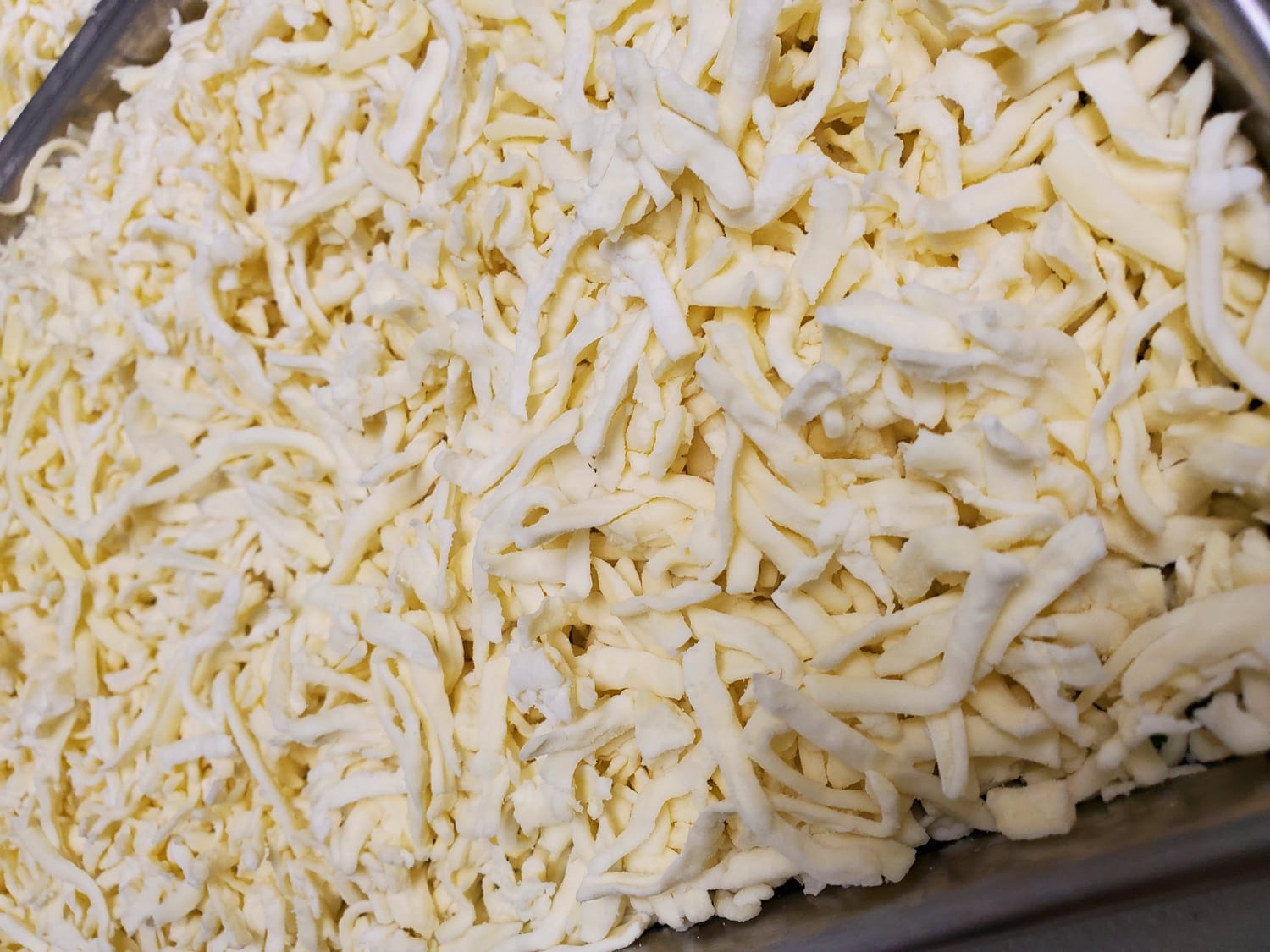
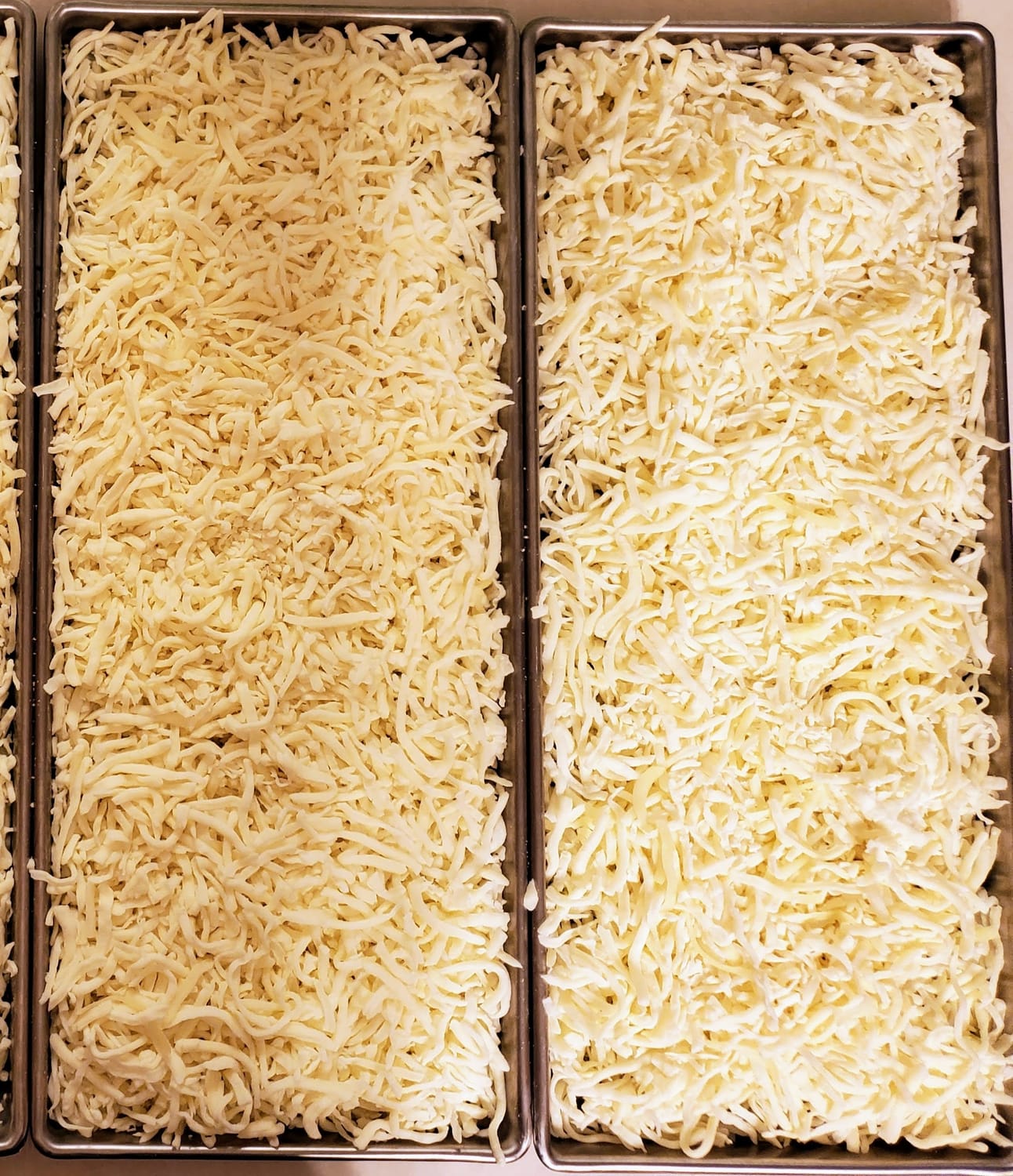
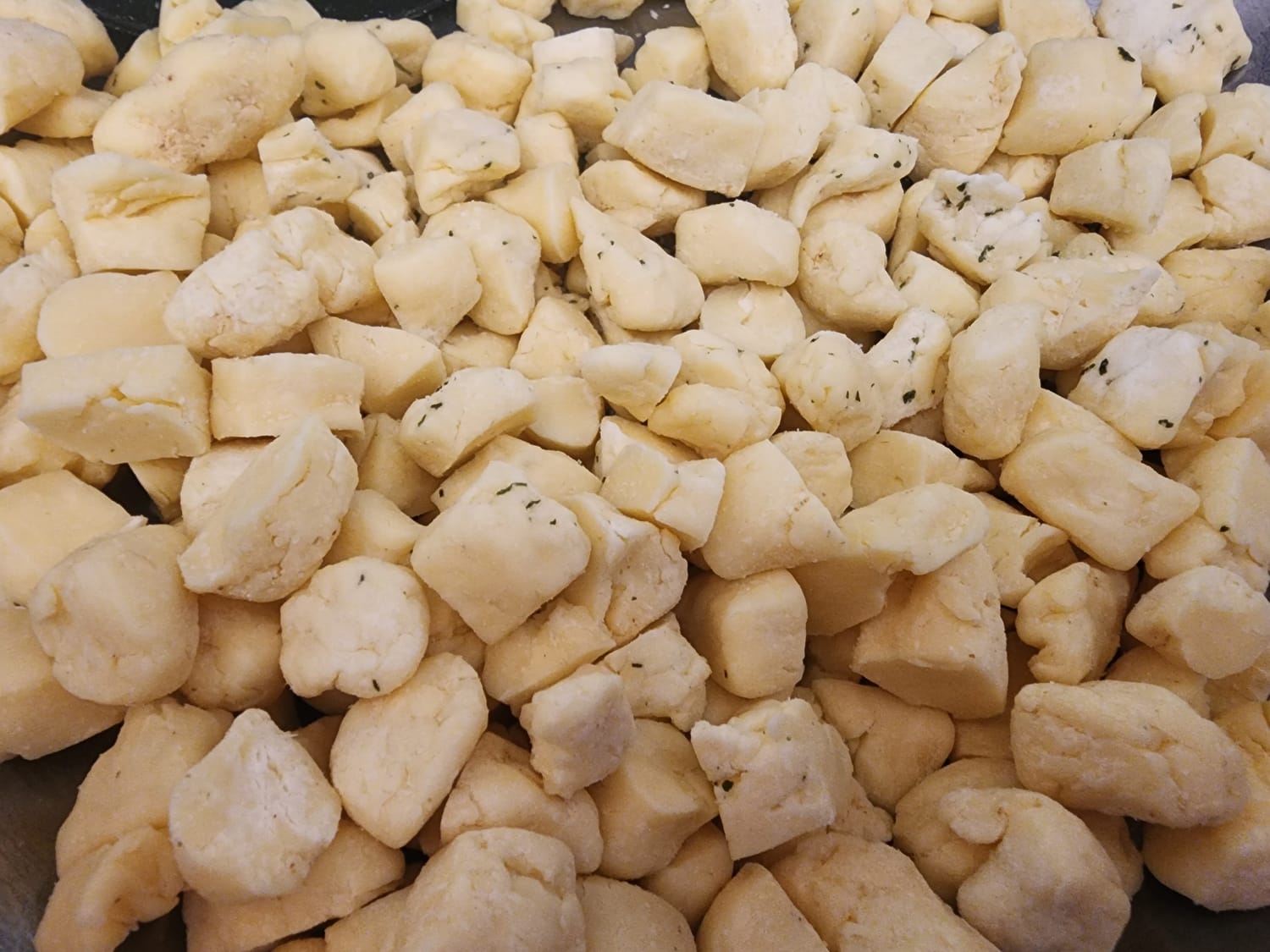
Yes — cheese freeze-dries very well.
It becomes light and crunchy when dried, but it can also rehydrate nicely when added to cooked dishes.
Some of my favorite types to freeze dry include:
• shredded cheese
• cubed cheese
• string cheese
• cheese curds
Once freeze-dried, cheese can be used in a lot of everyday meals.
It works great in:
• soups
• pasta dishes
• casseroles
• scrambled eggs
And sometimes… it just gets eaten straight as a crunchy snack.
8. Refried Beans
Refried beans are one of the most practical foods to freeze dry.
They rehydrate quickly and make a great base for easy meals.
Once dried they can be stored as chunks or powder.
Perfect for:
• burritos
• tacos
• nachos
• quick side dishes
Just add hot water and stir.
9. Soups (Creamy or Chicken Noodle)
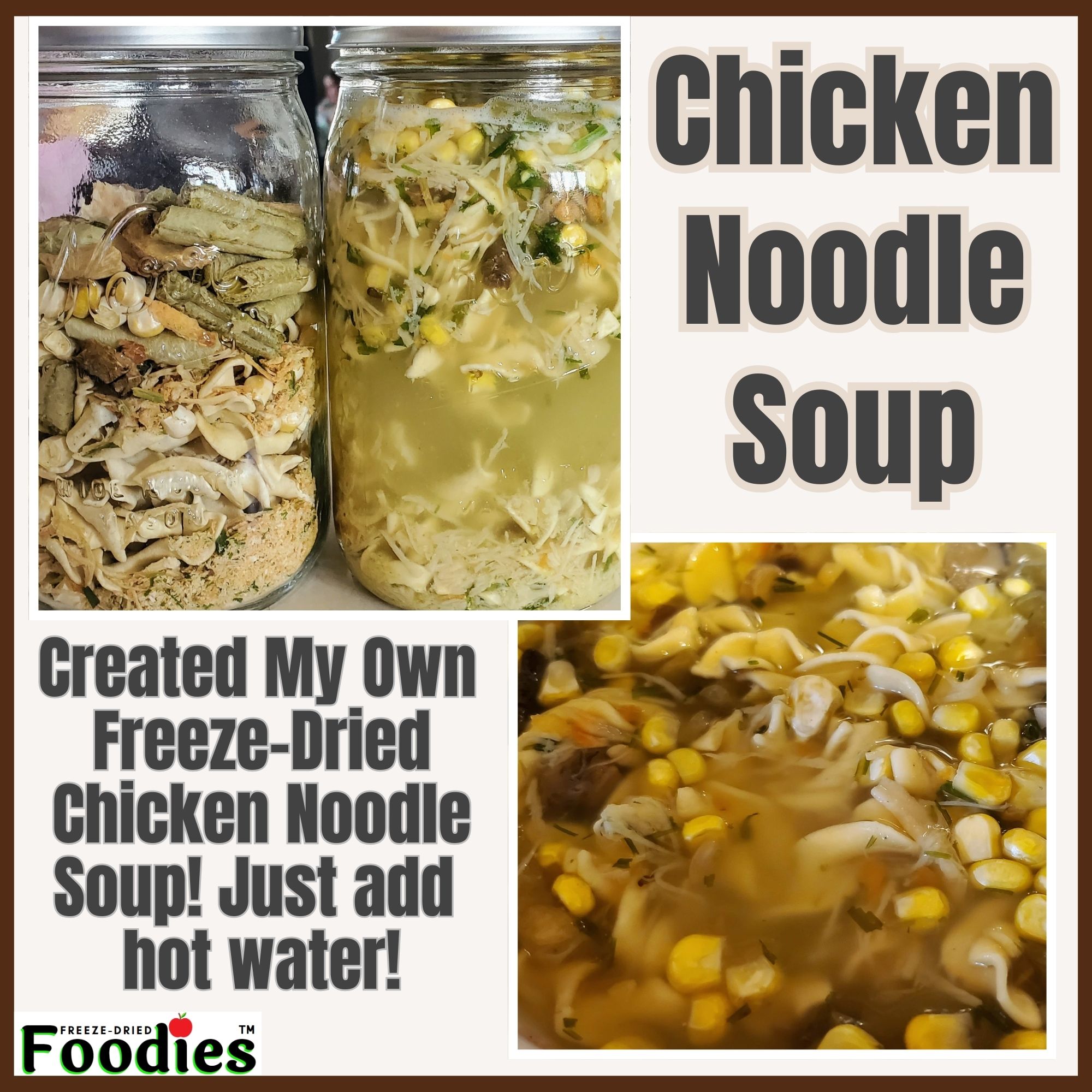
Freeze-drying soup is one of my favorite meal-prep tricks.
Instead of storing bulky containers in the freezer, the soup becomes lightweight and shelf-stable.
Cream soups and chicken noodle both work really well.
Having full meals ready to rehydrate is incredibly convenient on busy days.
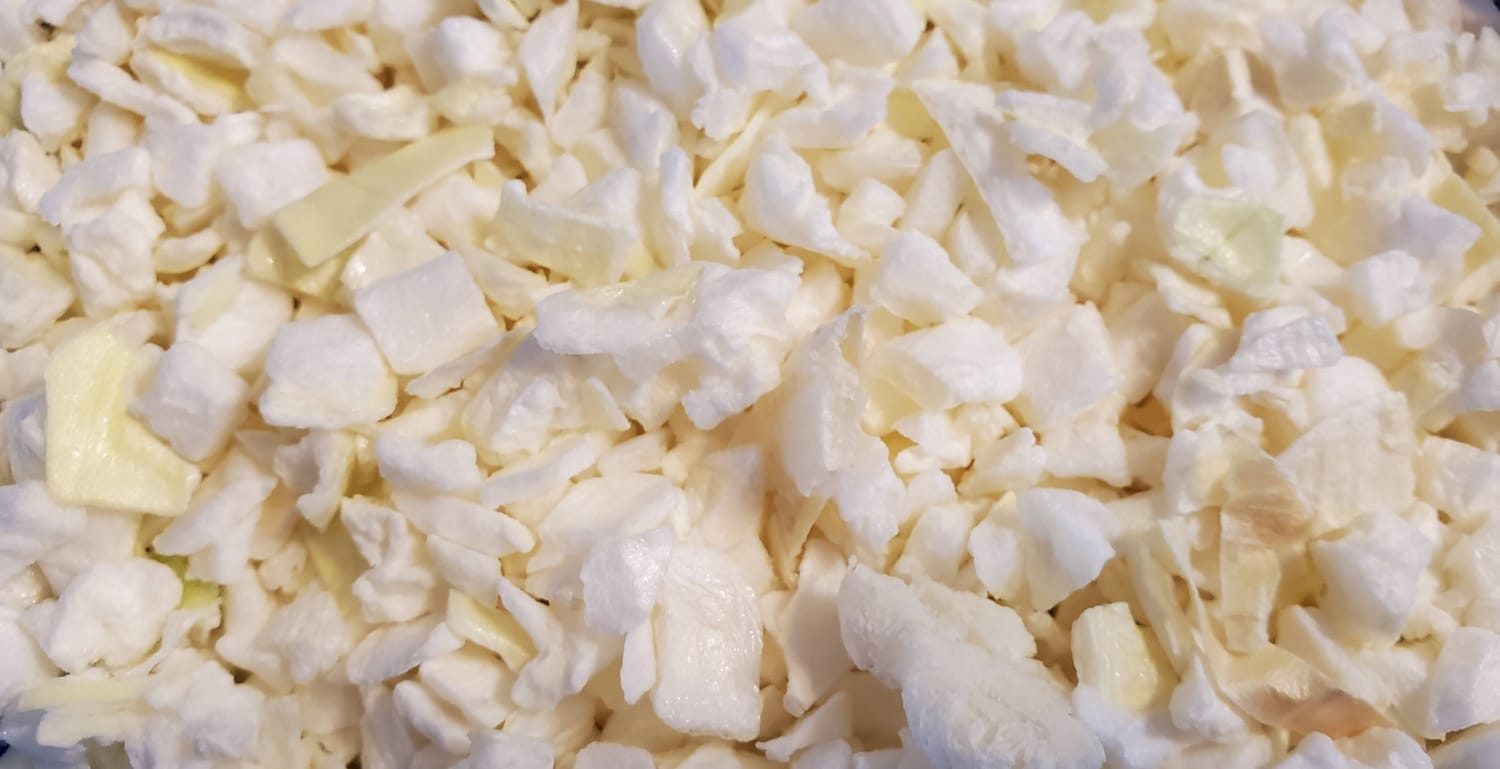
10. Everyday Vegetables
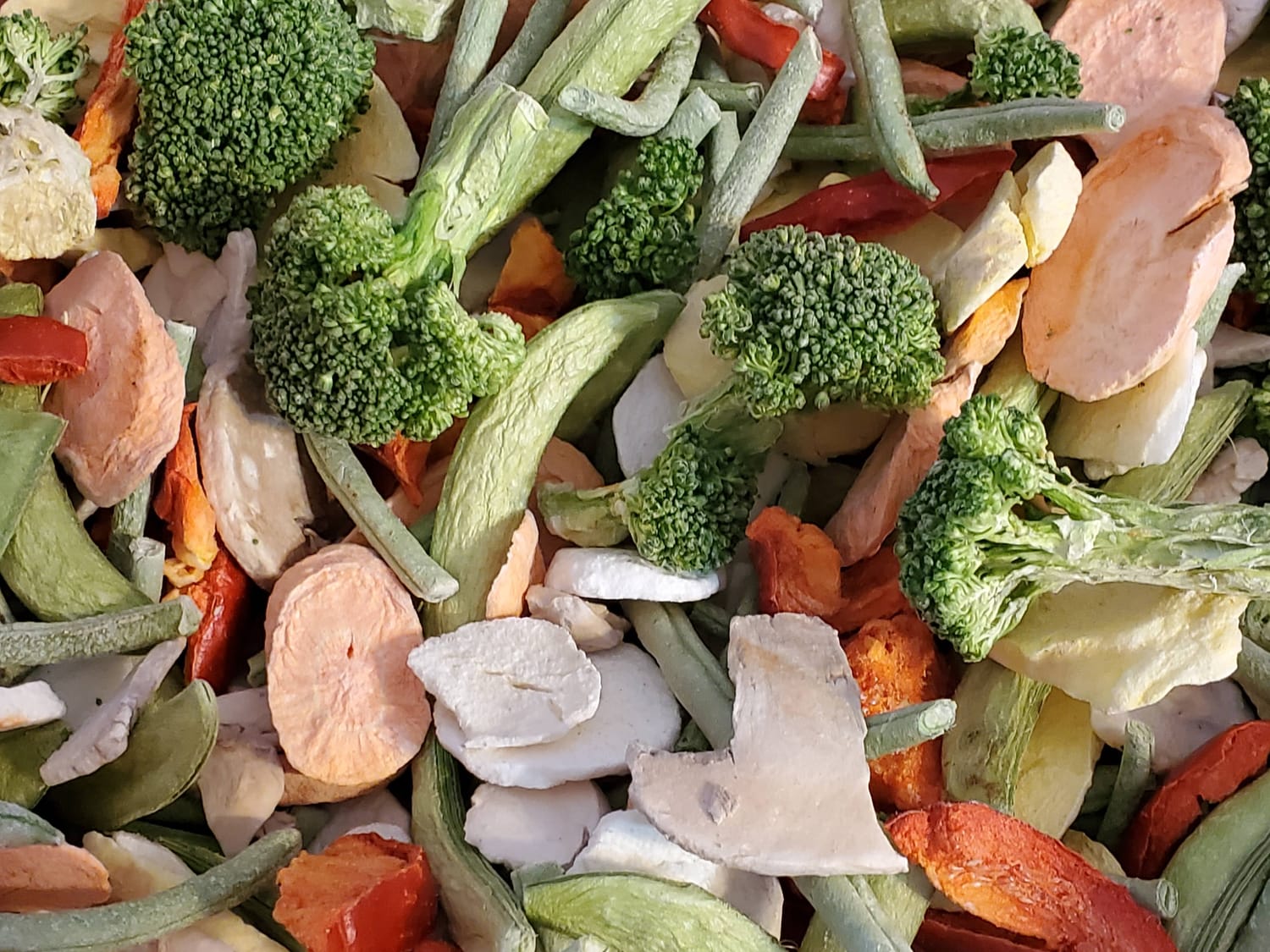
Vegetables might be the most practical thing you can freeze dry.
Some of my favorites include:
• onions
• garlic
• carrots
• mixed vegetables
These are fantastic time savers when cooking.
Instead of chopping every time you make a meal, you can simply grab what you need and add it directly to your dish.
💡 Prep Tip
If you freeze-dry vegetables regularly, a good vegetable chopper can save a lot of time when prepping trays. Uniform pieces also help food dry more evenly.
Final Thoughts
There are hundreds of foods you can freeze dry, and part of the fun is experimenting to see what works best for your kitchen and your family.
The ten foods in this list are simply the ones I find myself making again and again. They store well, rehydrate easily, and are foods I actually use on a regular basis.
If you're just getting started with freeze-drying, these can be great foods to begin experimenting with. Start with a few simple batches, learn how different foods behave in the freeze dryer, and build from there.
Over time you'll likely develop your own list of favorites — foods that save you time, make great snacks, or become staples in your pantry.
And that's really the beauty of freeze-drying: it gives you the flexibility to preserve the foods you already love and keep them ready whenever you need them.
This post may contain affiliate links. If you purchase through one of these links, I may earn a small commission at no extra cost to you.
SHARE



Get the Freeze-Dry Digest.
Weekly freeze-drying tips, tools, recipes, business ideas, new blog posts, and resources delivered straight to your inbox.